Sea Buckthorn Infusion

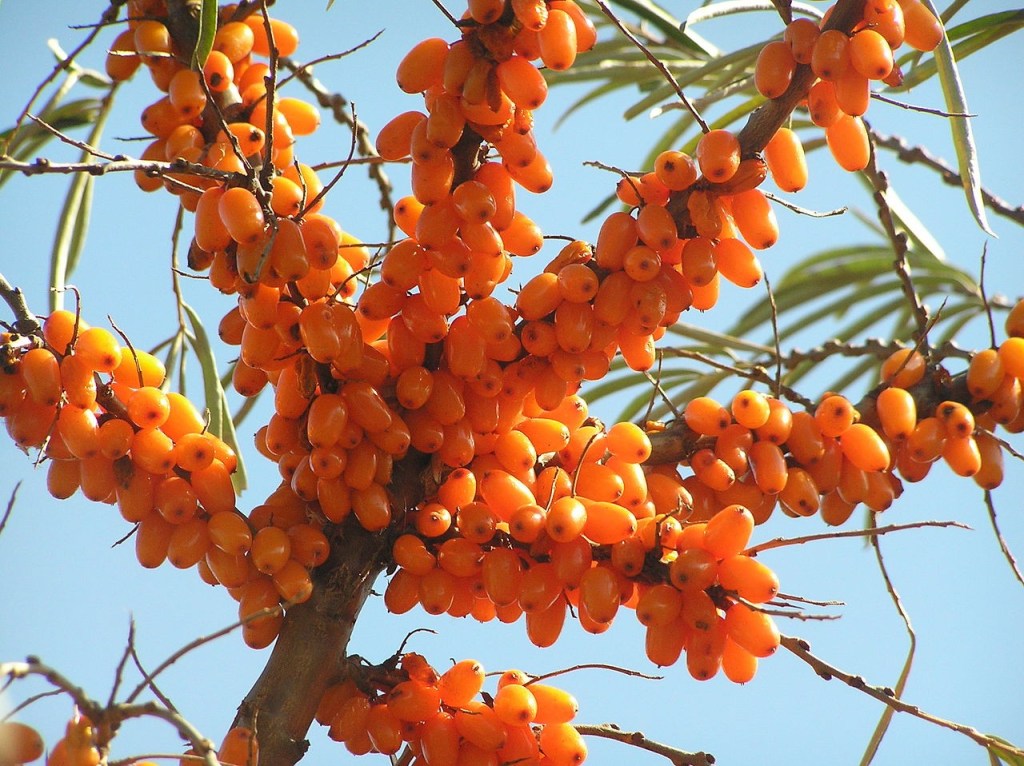
Sea buckthorn (Hippophae rhamnoides) is a plant found throughout Europe and Asia and displays as a spiny, thicket-forming shrub, often found in sand dunes along the coast of England. It is most obvious in autumn, when it is full of bright orange berries.

Sea buckthorn berries are a source of omega-7 fatty acids and an array of vitamins, including beta-carotene, vitamin C and E. Omega-7 helps body cells retain moisture in the mucous membranes. They are also a great support to the immune system and overall wellbeing.

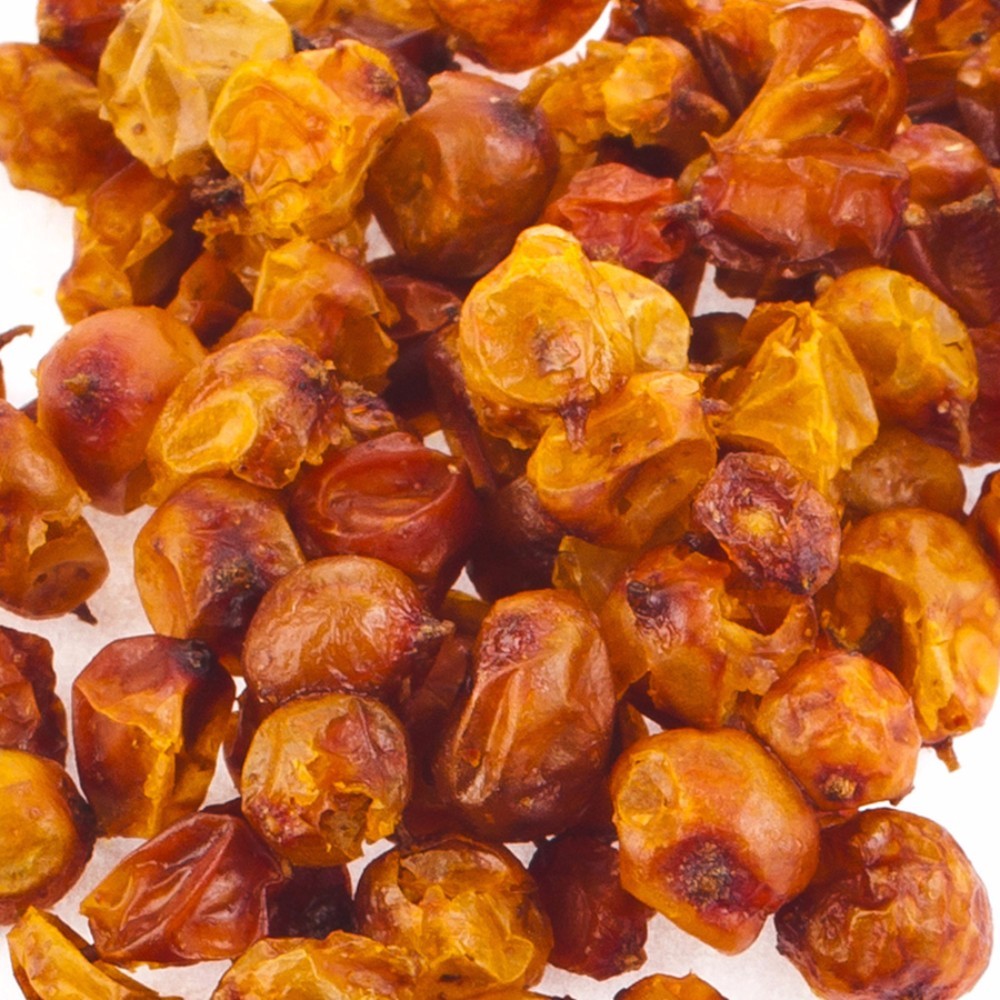
They can also be dried very well to store for future use (I use them dried).

Here’s how to make a sea buckthorn infusion using these steps:

1. Boil 950ml water. It should be very hot, not just warm.
2. Take 12 heaped table spoons of buckthorn berries.
3. Cover with top and leave to brew for 20 minutes.
4. When time is up, add 3-6 table spoons of honey. The quantity of honey you’ll need depends on how sweet the honey is. You may want to put try 3 tbps first, see if the taste is to your liking and, if it’s not sweet enough, add more honey. 
5. Strain and enjoy.

Sources
https://www.webmd.com/vitamins/ai/ingredientmono-765/sea-buckthorn
https://www.wildlifetrusts.org/wildlife-explorer/trees-and-shrubs/sea-buckthorn

Plant Apothecary

I don’t have much luck with outside plants, due to the crap British weather and the local wildlife that gets into our garden. Therefore, I’ve decided that this year I’ll grow lots of things in the conservatory on the back of the house (which is where our dogs Wade and Wilson and have their beds and bowls, as they sleep there at night and eat their meals in there too).

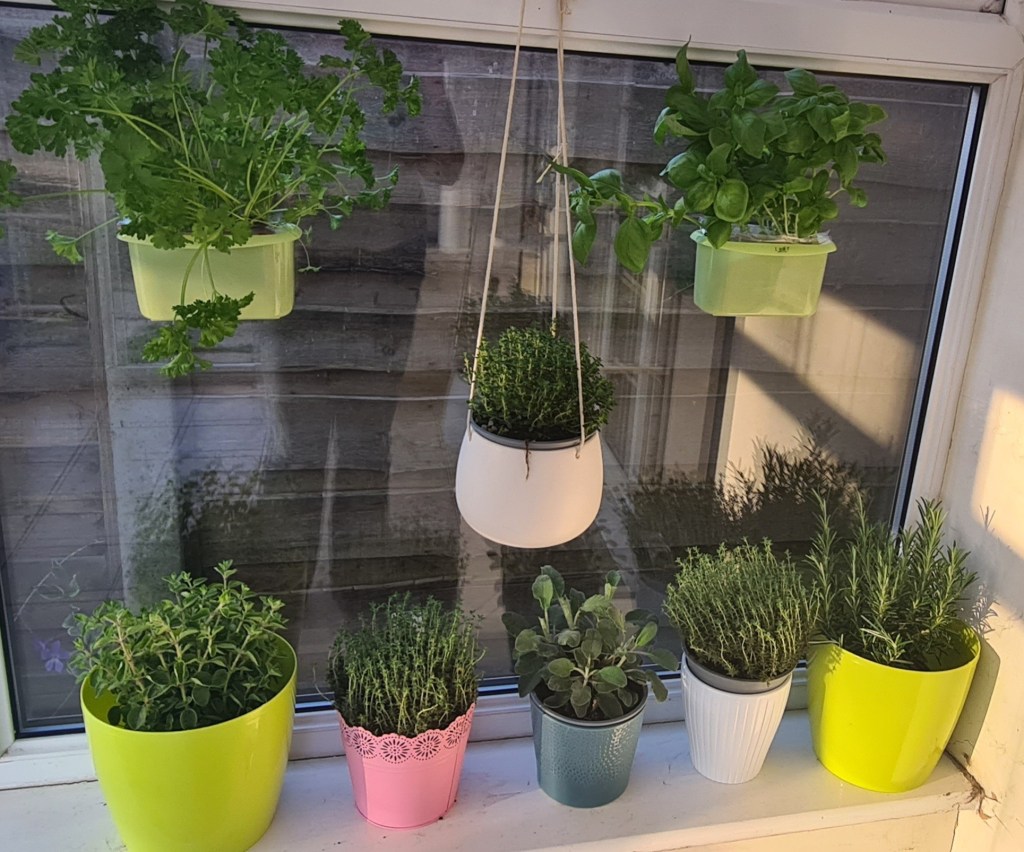
I found some great potted herbs at Costco and some others in Aldi, so here I have three types of thyme, flat leaved parsley, basil, rosemary, sage and oregano.

Today I’ve planted up into compost slices of cherry tomatoes (as the seeds in the tomatoes will germinate once the slice rots down) and some nasturtiums (trailing orange flowers who’s flowers and leaves you can eat). Nasturtiums are also great companion plants (which is the planting of different crops in proximity for any of a number of different reasons, including pest control, pollination, providing habitat for beneficial insects etc) for tomatoes.

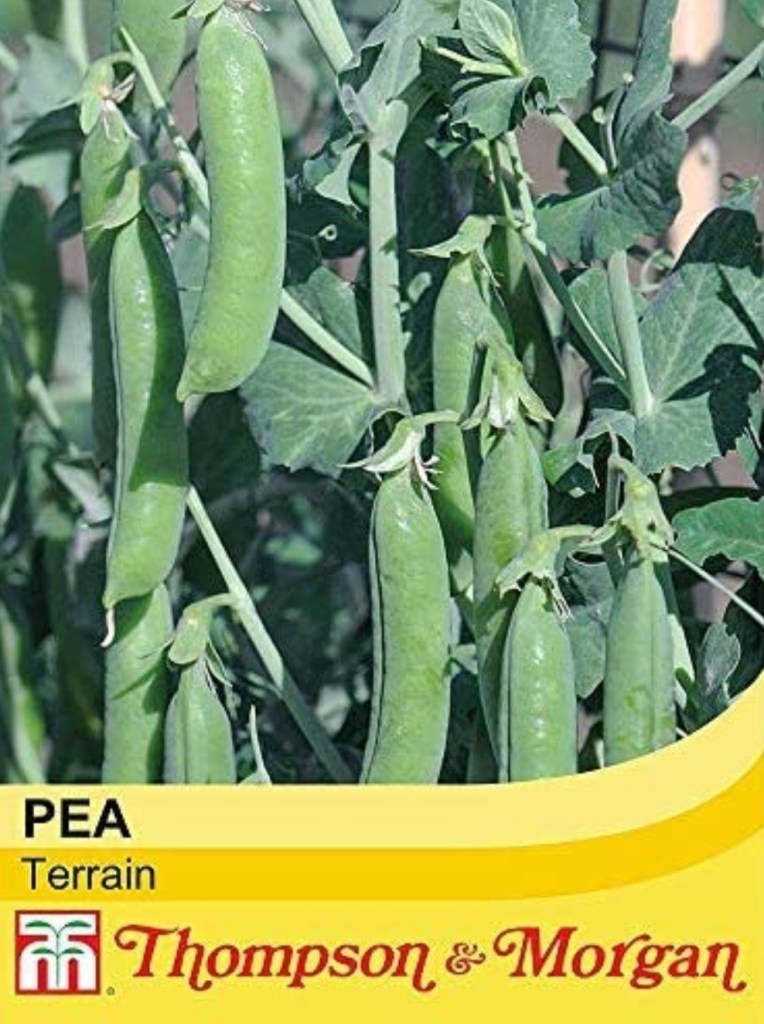
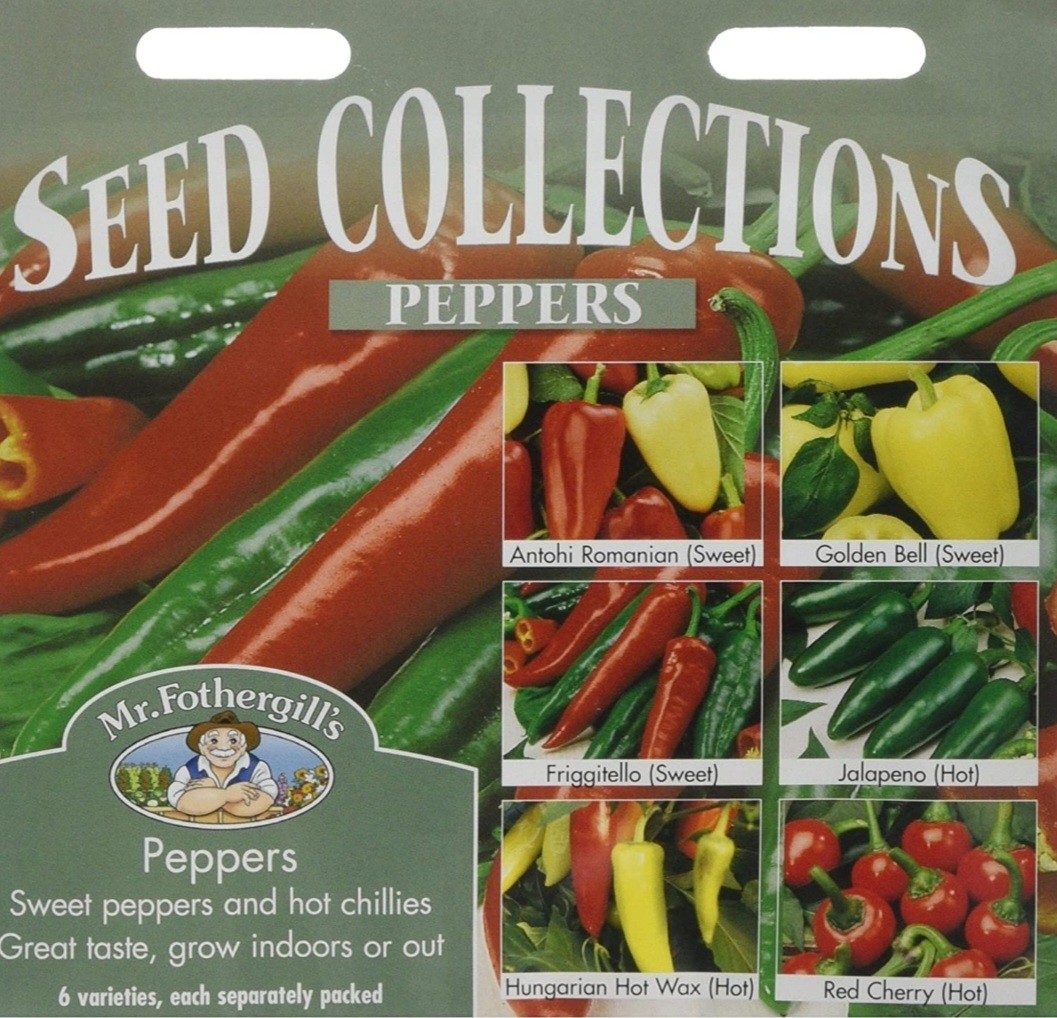
I’ve also bought the following seeds from Amazon, so I can plant up peppers (Capsicum), chilies, peas, purple basil, coriander, marjoram, dill, chamomile, cress, lemon balm and chives.

All these plants and herbs will be invaluable to me as a Green (and Kitchen) Witch and I can’t wait to tend to and care for them when they start growing!

Energy Reviving Tea

I’ve not been sleeping properly, due to one of my chronic conditions flaring, causing me pain and discomfort. However, we have appointments this weekend and plans to go out for the day tomorrow, so I needed a bit of an energy boost!

I had a look what I’ve got in my mini apothecary for energy and revitalisation and decided to make a tea, which can either be drunk hot, or iced, and sweetened with honey (or agave syrup for our vegan friends).

INGREDIENTS

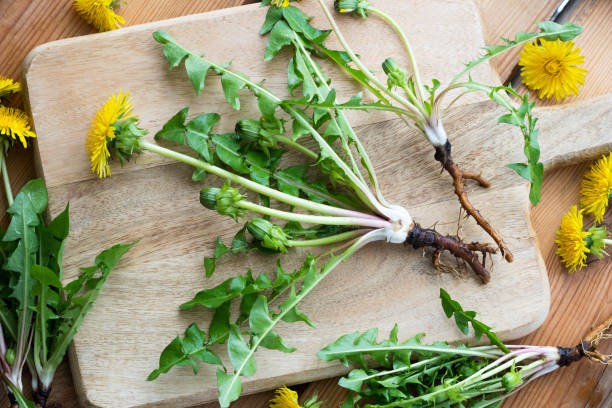
DANDELION – The leaves and root of this plant are known to be used in the herbal medicine of many Cultures, such as Korean, Native American and Arabic, where it is used for energy improvement and general health. Clinical trials have also shown that dandelion may reduce fatigue and promote immune health and different research has suggested that dandelion has anti-inflammatory and antioxidant effects.

Additionally, dandelion is considered to be a good substitute for caffeine and can help alleviate the fatigue that is brought on by the physical pain caused by certain chronic conditions.

ELDERFLOWER – This flower is good for heightening your energy levels and relieving stress. It also acts as a natural detoxification aid and can enhance liver function, by making your body sweat out toxins and eliminate waste. This natural process is very important for helping your body feel renewed and relaxed.

Elderflower also contains Vitamin B6, which helps to reduce tiredness and fatigue and contributes to a healthily functioning metabolism.

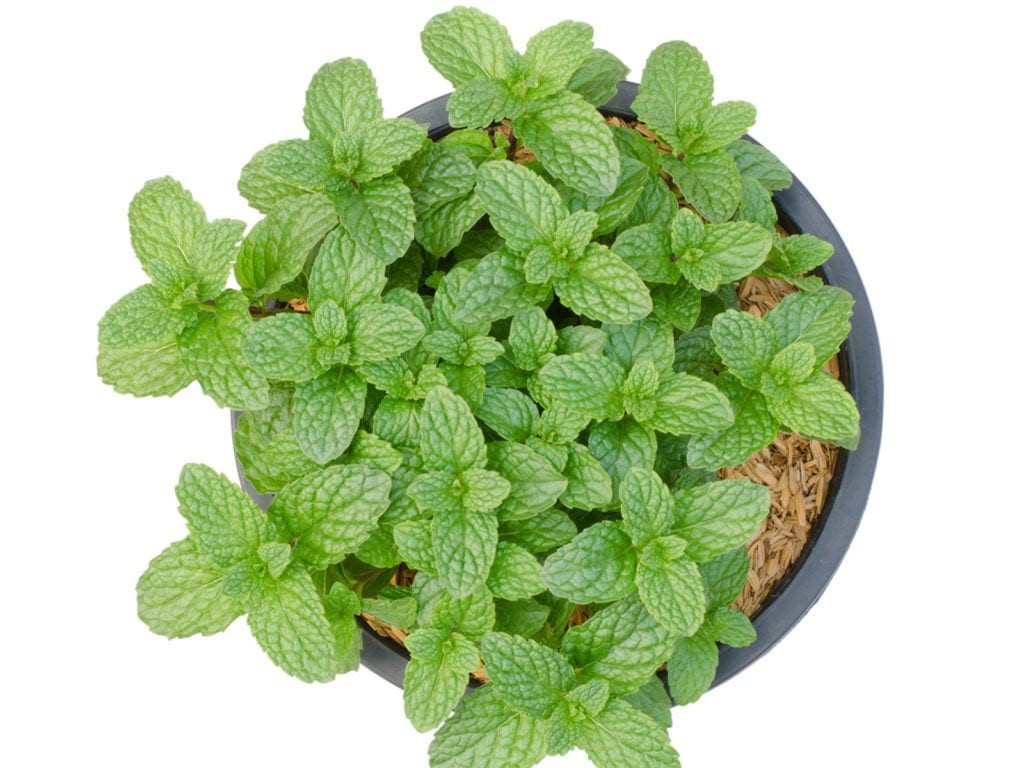
PEPPERMINT – Peppermint is a hybrid of spearmint (Mentha spicata) and water mint (Mentha aquatica). Just inhaling the minty fresh aroma of fresh peppermint leaves, or even peppermint essential oil, can help to boost your energy, mood, alertness and even athletic performance.

Several studies have shown that peppermint can reduce fatigue, boost alertness, improve memory and provide additional energy. One study even found that exposure to the aroma of peppermint essential oil could increase alertness and improve memory.

SOURCES:
http://www.prevention.com/health/health-conditions/a20472817/healing-herbs-to-use-in-a-bath/
https://www.healthline.com/nutrition/herbs-for-energy#5.-
https://www.herbfacts.co.uk/elderflower/

Magick of Grape Hyacinths

HISTORY AND METAPHYSICAL ASSOCIATIONS

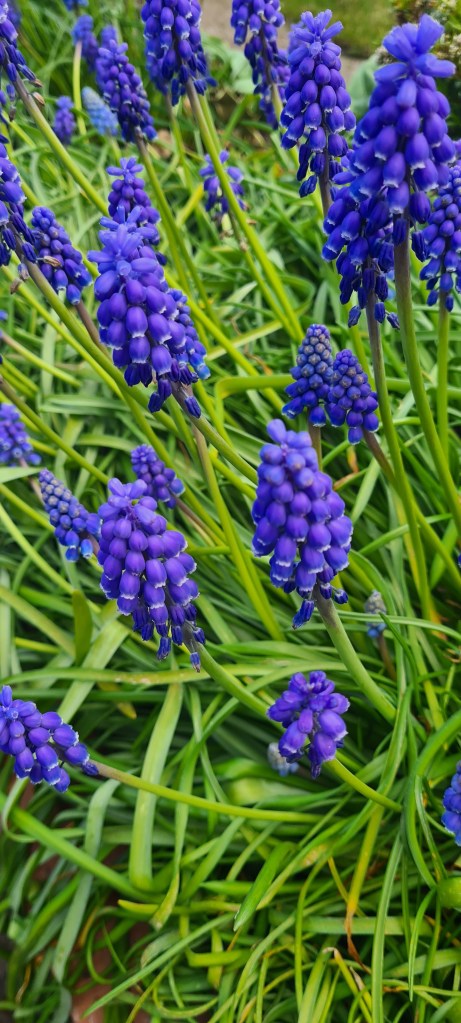
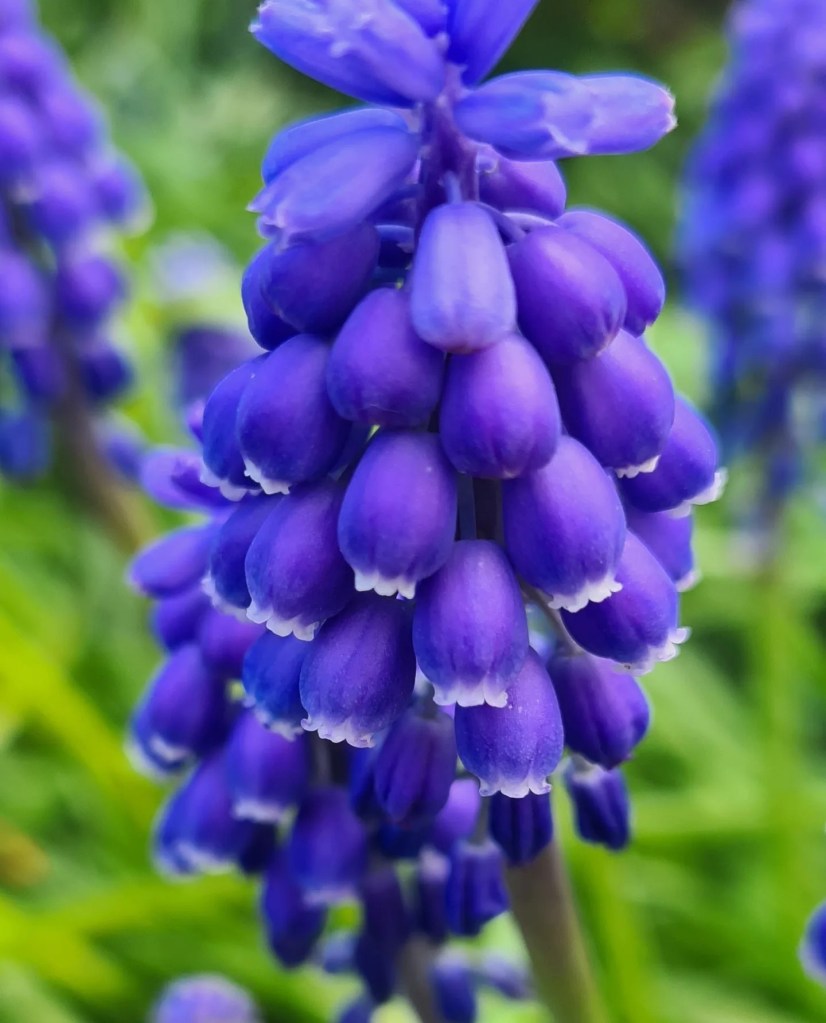
Native to southern Europe, Northern Africa, and western Asia, the grape hyacinth (or Muscari) is a symbol of power and confidence and can also symbolise mystery and creativity.

It has associations with the Greek Earth Goddess Demeter and, as she is known to be the guardian of women, it was often worn as part of a bridal crown.

The Ancient Greeks themselves however, also regarded the grape hyacinth as a flower of death, with many European cultures associating it with remembrance.

It is also the flower of the Olympian sun god Apollo and is a symbol of beauty, peace and commitment, but also of power and pride.

Hyacinths are also often found in Christian churches, as a symbol of happiness and love.

The flower has correspondences of tenderness and softness and is a perfect flower if you want to give flowers to your beloved!

BOTANY

The grape hyacinth is a bulbed flower, which is part of the lily family, and features pretty, purple/blue flowers. Its hollow leaves, which grow only from the base of the plant, resemble onion or garlic, but don’t have the same odor.

USES

The bulbs of the grape hyacinth have been used extensively in cooking and the edible flowers taste like bitter grapes. If you boil them in vinegar (in order to reduce the bitterness), they can be made into very tasty pickles. 

The flowers can also be made into an essence, which is said to provide assistance with communication and networking. This essence is also meant to help with feelings exclusion or abandonment, either through crisis or self-defeating behaviors, and can help to address personal crisis, especially when having feelings of despair or feeling like you are out of touch with others.

SOURCES

https://www.atozflowers.com/flower/muscari/
https://www.powerfloweressences.com/grape-hyacinth-flower-essence
https://goodwitcheshomestead.com/2017/03/18/grape-hyacinth/

Gorgeous Gorse

Gorse bushes, or Furze, are often seen around Ostara and is another of Mother Nature’s bright and beautiful announcements that Spring is here.

It is a perennial evergreen shrub belonging to the pea family, which forms multi-branched, stunted shrubs, usually no taller than six feet high, but it is still considered to be a tree.

The flowers are deep yellow in colour and have a beautifully aromatic coconut scent and, although the main flowering period is from March to August, flowers can be found on the furze throughout the year.

It’s wickedly sharp thorns and its dense habit make it an excellent hedging plant, which can also be used as a barrier to protect young tree seedlings in coppices from grazing.

Due to it’s thorny nature, it is often viewed as having protective powers. In Wales, gorse bushes are even said to guard against Witches and can protect the home against The Fae, who cannot pass through the hedge.

The bark and flowers of the gorse can be used to produce a yellow dye. In Ireland, the flowers were also used to flavour and add colour to whiskey and they’ve been known to be used to make beer in Denmark. The flowers can also be used to make wine and tea.

Medicinal properties

There was a Bach Flower Remedy (Edward Bach was an English homeopath in the 1930s) called “Greenman Essence of Gorse”, which was said to help to ease frustration, restlessness and anxiety, and also helped to promote emotional security and feelings of joy.  

Gorse flowers are high in proteins and can be eaten raw in salads or made into tea, cordial or syrup. They can also add extra flavour and colour to beer, wine or spirits and even ice cream!

The buds can also be pickled in vinegar and eaten like capers. 

**CAUTION: Do not ingest to excess, as the plant contains slightly toxic alkaloids, which can have a cumulative impact.**

There are surprisingly few medicinal uses for gorse, although its flowers have historically been used in the treatment of jaundice, scarlet fever, diarrhoea and kidney stones.

Magickal properties

Gorse is known as the ‘herb of love’ and is associated with love, romance and weddings. It is also known to protect against evil, negativity and dark magick.

It can help to restore faith, hope and optimism and enable you to gather your strength. It also attracts gold, so it is very useful in money, wealth and abundance spells.

Gorse Spell

Carve the word “Gorse” into a gold or yellow candle, then face east and light the candle. Then meditate on the light, whilst asking for for protection, money, love or whatever it has to offer that you desire. 
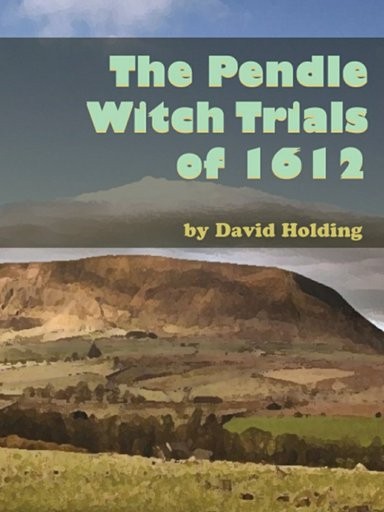
The Pendle Witch Trials of 1612 – Book Review

This book focusses on the Witch trials of Pendle, Lancashire, England in 1612.

It is quite a short book, but contains quite a lot of detail. It encompasses eyewitness accounts, in addition to interviews from the trials, as well as general background information leading up to the trials. There are also excerpts from the various laws that covered witchcraft and how they were used at Pendle. It also includes a select bibliography for further reading.

There are several illustrations, from maps to family trees, to help the reader make sense of the people involved, their relationship to each other, in addition to the geographical locations of events.

The book on the whole gives an excellent insight into the events behind the cruel and vicious treatment given to people branded as Witches by the ‘church’, the Monarchy and the powers that be.

Coming from Lancashire myself, with Pendle being a mere 29 miles away from my home town, it makes it all the more interesting as I know and have visited several of the places in the book. It reminds me how fortunate I am to be a Witch in this day and age and not back then, as I would probably be dead by now.

It’s utterly unbelievable how the so called ‘Witches’ were treated. Notwithstanding the Chattox’s and Demdike’s, the main focus of the trials, but all the wise women (and men), healers, midwives, those with a special connection to animals etc, it’s a wonder how anyone could actually survived in these circumstances once accused! The laws were actually changed for these trials to allow gossip and hearsay to be used as evidence, and famously, the testimony of a child (Jennet Device). Luckily, some did survive, such as Alice Grey.

All in all, I found this book fascinating, if not deeply harrowing and quite upsetting. My only fault with it, was that it didn’t ‘flow’ very well, but that’s more the way it’s set out with case law, testimony and accounts of events. I would recommend anyone wanting to learn more about the history and persecution of Witches to read it though.