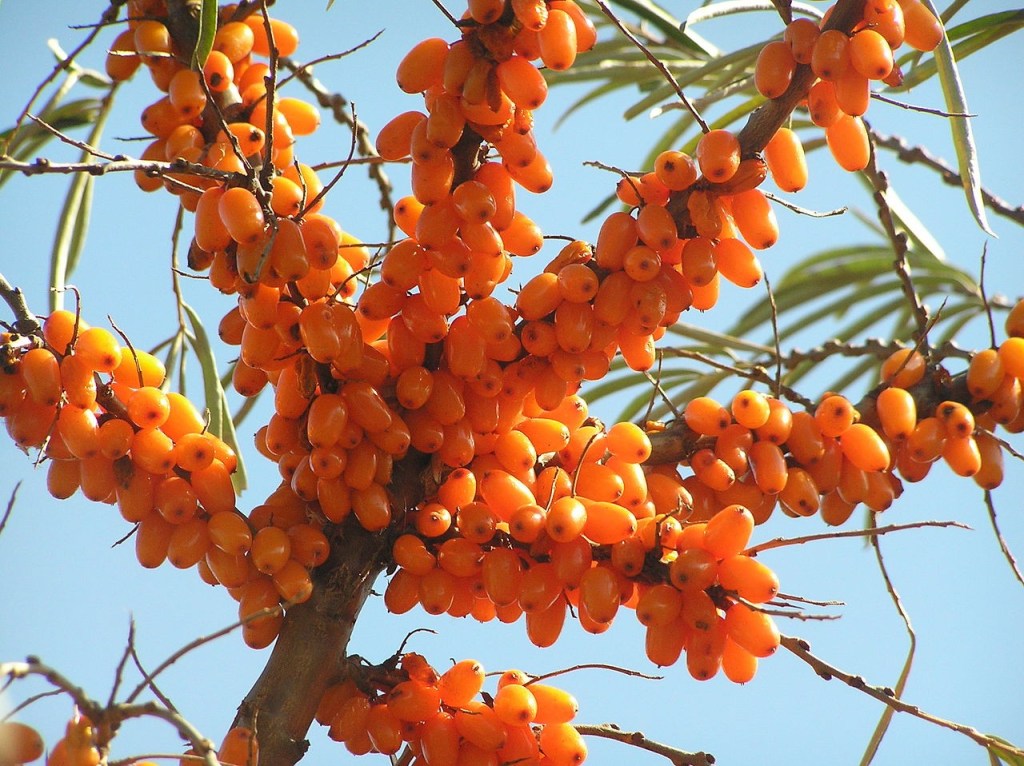
Sea buckthorn (Hippophae rhamnoides) is a plant found throughout Europe and Asia and displays as a spiny, thicket-forming shrub, often found in sand dunes along the coast of England. It is most obvious in autumn, when it is full of bright orange berries.
Sea buckthorn berries are a source of omega-7 fatty acids and an array of vitamins, including beta-carotene, vitamin C and E. Omega-7 helps body cells retain moisture in the mucous membranes. They are also a great support to the immune system and overall wellbeing.
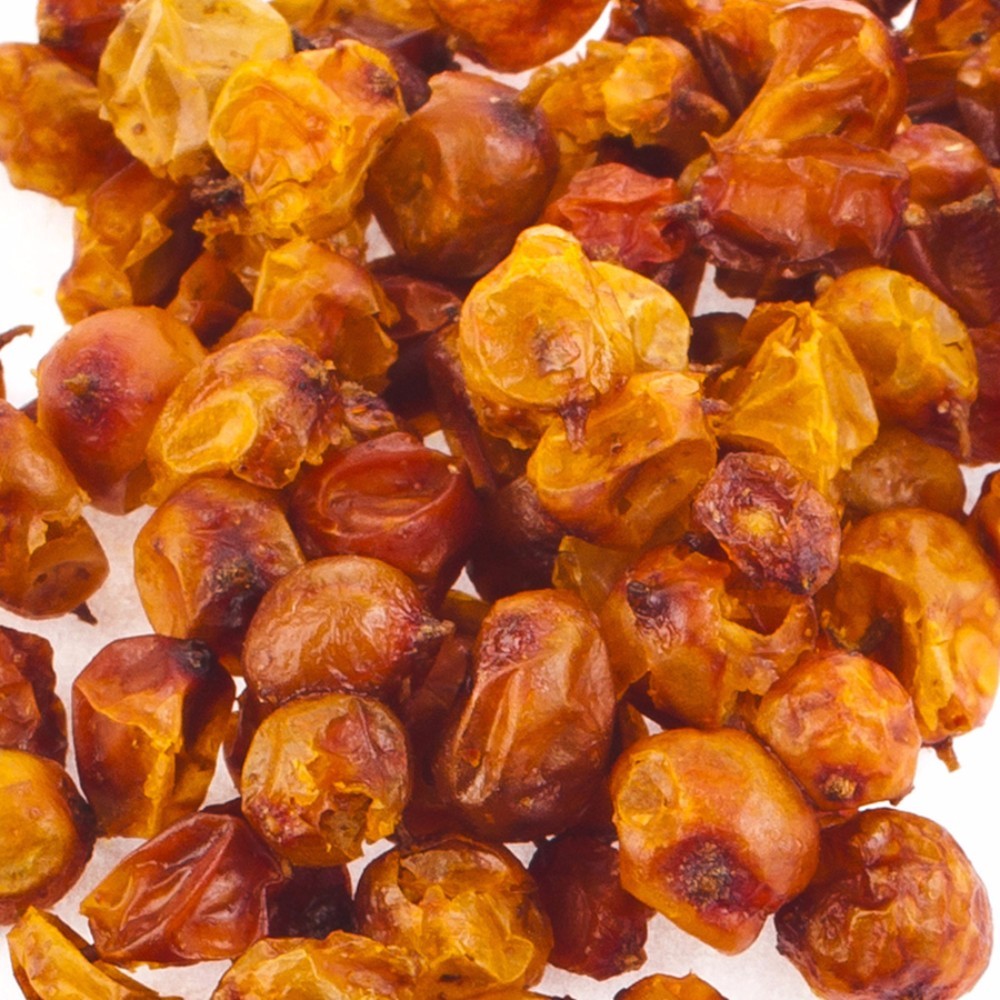
They can also be dried very well to store for future use (I use them dried).
Here’s how to make a sea buckthorn infusion using these steps:
1. Boil 950ml water. It should be very hot, not just warm. 2. Take 12 heaped table spoons of buckthorn berries. 3. Cover with top and leave to brew for 20 minutes. 4. When time is up, add 3-6 table spoons of honey. The quantity of honey you’ll need depends on how sweet the honey is. You may want to put try 3 tbps first, see if the taste is to your liking and, if it’s not sweet enough, add more honey. 5. Strain and enjoy.
I am suffering with a nasty chest infection, my second in 12 months, and I’m feeling really ill with it. I’ve been to the doctors and have been prescribed antibiotics, steroids and an inhaler, but I want to boost my immune system as much as I can at home too.
Therefore I’ve developed this tea today and am brewing up a large batch (enough for about 4 cups worth) to last me throughout the rest of the day and evening.
**Disclaimer: Any medicinal benefits given here are a product of my own research and as such should not be taken over the advice of trained medical professionals. If you are ill, please go and see a doctor. Always make sure that anything you consume is 100% safe. If you are pregnant, consult your doctor or midwife before consuming something you haven’t tried before.**
INGREDIENTS
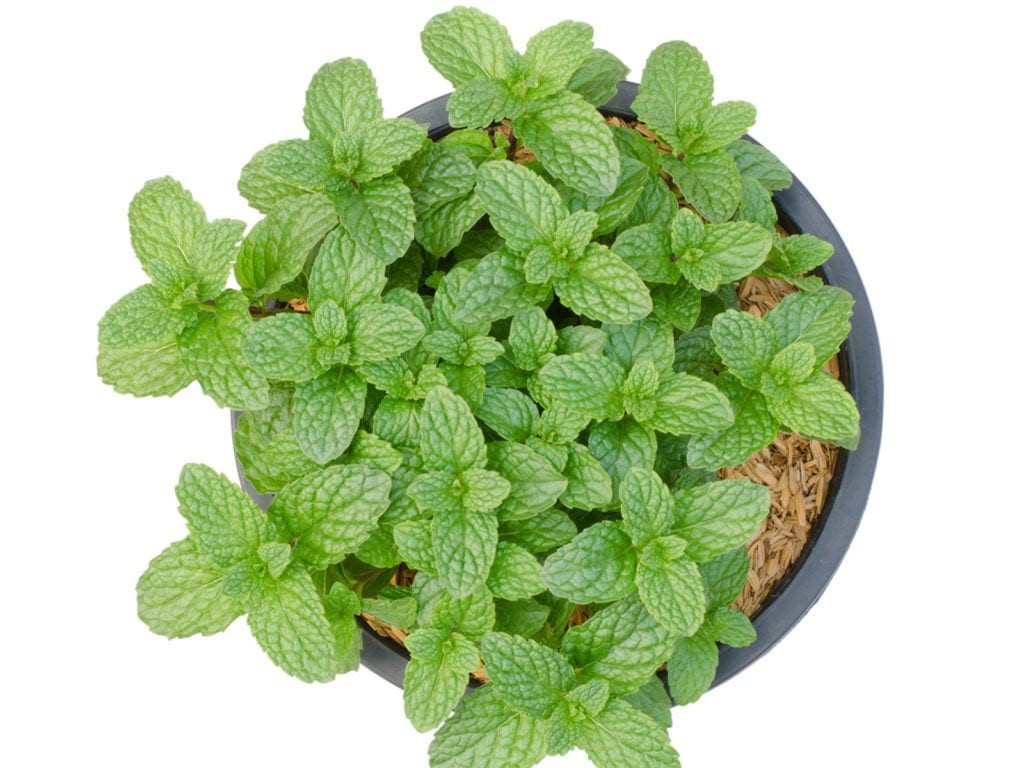
Fresh peppermint (a few sprigs roughly chopped) – The antioxidants found in mint can fight inflammation in your body and also include compounds, such as terpinene, quercetin, and tocopherols, which have immune-boosting and neuroprotective (the ability for a therapy to prevent neuronal cell death by intervening in and inhibiting the pathogenetic cascade that results in cell dysfunction and eventual death) effects.
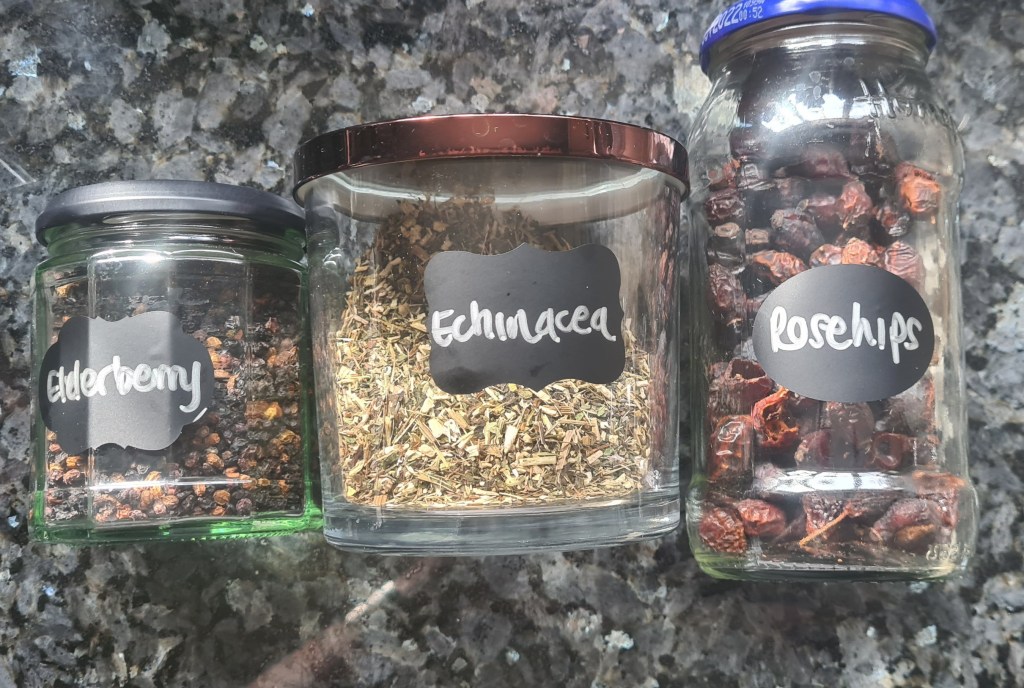
Dried elderberries (heaped tablespoon) – The berries (and flowers) of elderberry are packed with antioxidants and vitamins that may boost your immune system. They could also help tame inflammation, lessen stress and help protect your heart, too. Some experts also recommend elderberry to help prevent and ease cold and flu symptoms.
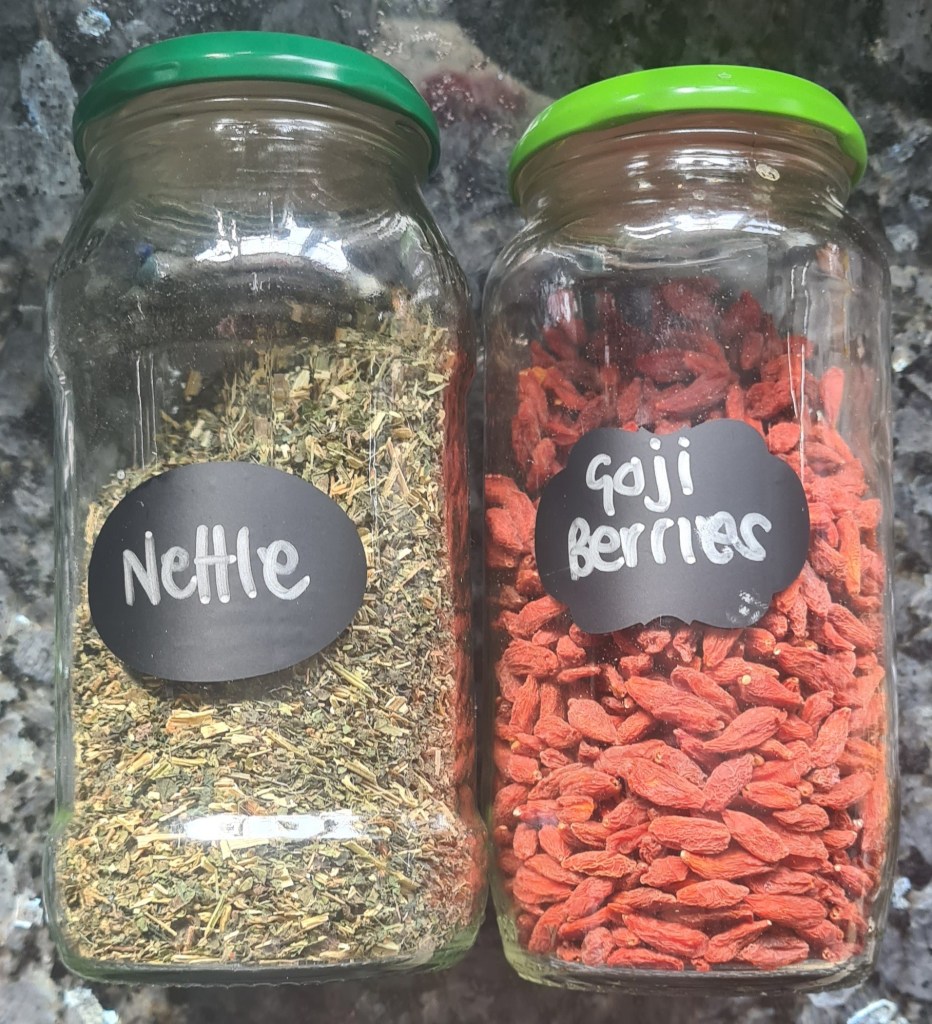
Dried goji berries (heaped tablespoon) – These cheerful red berries contain a number of healthy antioxidants which are known for their immune-boosting qualities and their ability to fight harmful free radicals and inflammation. They also contain large amounts of vitamins A and C, similar to other berries.
Dried echinacea (tablespoon) – Studies suggest that echinacea contains active substances that boost immune function, relieve pain, reduce inflammation and have antiviral and antioxidant effects.
Dried nettle (tablespoon) – The nettle plant contains several immune-boosting compounds, including flavonoids, carotenoids and vitamins A and C. These antioxidants help protect immune cells against damage that can weaken immune function. Research also shows nettle extract strengthens the immune response, encouraging immune cell activity.
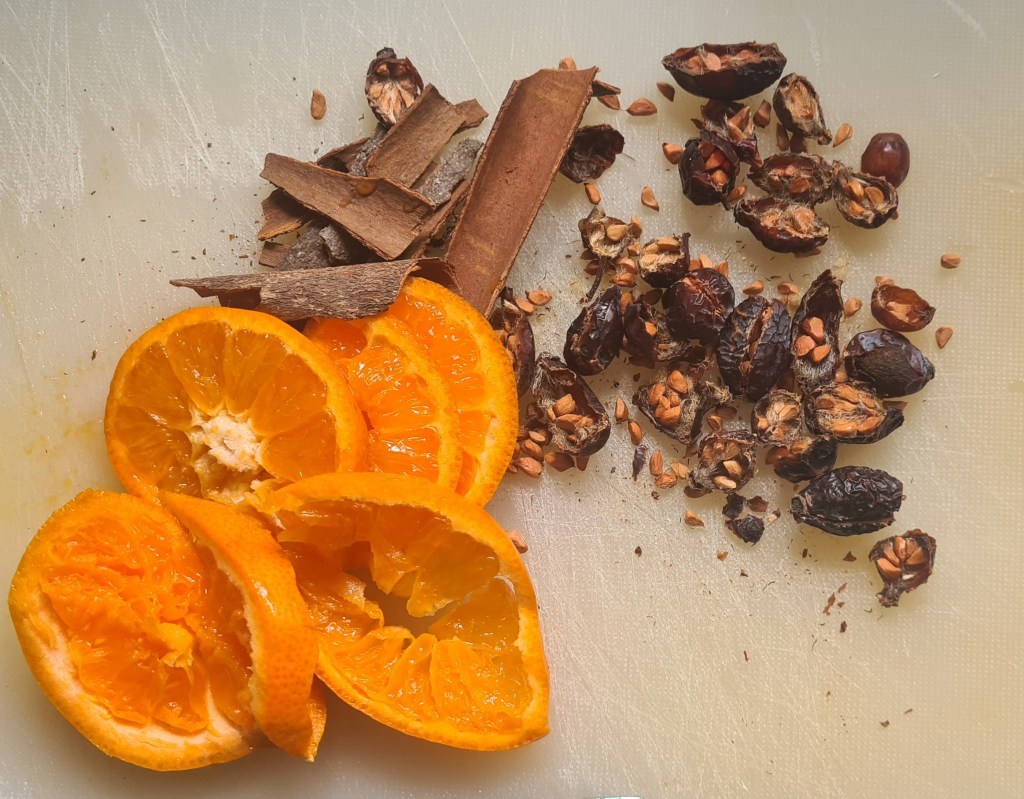
Dried rosehips (about 15 halved) – Due to its high levels of antioxidants, rosehip tea may also help to boost your immune system. Please be careful with the seeds, they’re hard as diamonds!!
Cinnamon bark (a couple of pieces broken up) – Studies show that this spice and its antioxidants have potent anti-inflammatory properties and helps your body fight infections and repair tissue damage.
Sliced whole tangerine – The Vitamin C found in tangerines (and other citrus fruits) is a powerful antioxidant. Additionally, tangerines provide potassium and B complex vitamins, namely B1, B6, and B9, or thiamine, pyridoxine, and folate, respectively.
METHOD
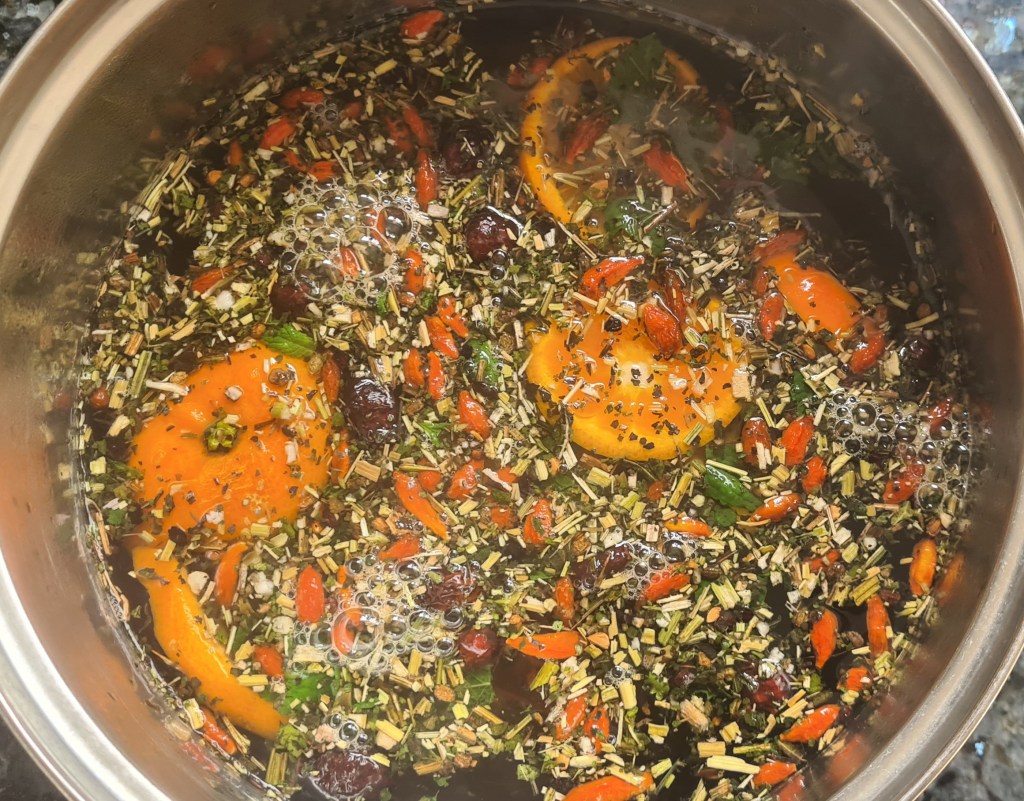
Put all the ingredients into a pan, cover with about 5 cups of boiling water and gently simmer for ten minutes. Strain through a sieve and/or a clean towel/muslin and decant to a cup. Sweeten to taste with honey, brown sugar, agave syrup or your sweetener of choice. Drink and enjoy.
I’ve not been sleeping properly, due to one of my chronic conditions flaring, causing me pain and discomfort. However, we have appointments this weekend and plans to go out for the day tomorrow, so I needed a bit of an energy boost!
I had a look what I’ve got in my mini apothecary for energy and revitalisation and decided to make a tea, which can either be drunk hot, or iced, and sweetened with honey (or agave syrup for our vegan friends).
INGREDIENTS
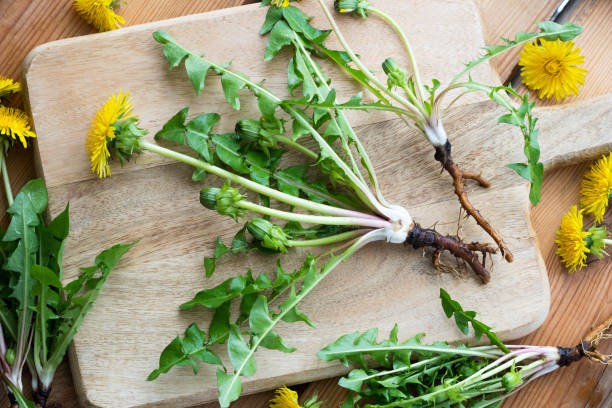
DANDELION – The leaves and root of this plant are known to be used in the herbal medicine of many Cultures, such as Korean, Native American and Arabic, where it is used for energy improvement and general health. Clinical trials have also shown that dandelion may reduce fatigue and promote immune health and different research has suggested that dandelion has anti-inflammatory and antioxidant effects.
Additionally, dandelion is considered to be a good substitute for caffeine and can help alleviate the fatigue that is brought on by the physical pain caused by certain chronic conditions.
ELDERFLOWER – This flower is good for heightening your energy levels and relieving stress. It also acts as a natural detoxification aid and can enhance liver function, by making your body sweat out toxins and eliminate waste. This natural process is very important for helping your body feel renewed and relaxed.
Elderflower also contains Vitamin B6, which helps to reduce tiredness and fatigue and contributes to a healthily functioning metabolism.
PEPPERMINT – Peppermint is a hybrid of spearmint (Mentha spicata) and water mint (Mentha aquatica). Just inhaling the minty fresh aroma of fresh peppermint leaves, or even peppermint essential oil, can help to boost your energy, mood, alertness and even athletic performance.
Several studies have shown that peppermint can reduce fatigue, boost alertness, improve memory and provide additional energy. One study even found that exposure to the aroma of peppermint essential oil could increase alertness and improve memory.
My husband struggles with his stomach and from pretty savage heartburn, so I’ve been trying to devise a way to create something that will settle his stomach, but that won’t irritate his throat or trigger his heartburn.
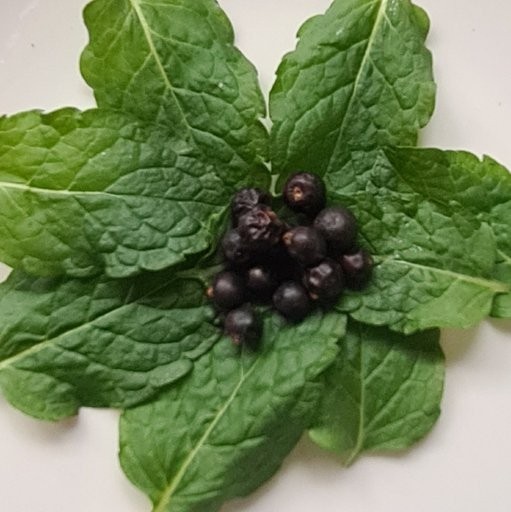
I researched some of the herbs and spices I already had and found that juniper berries (Juniperus communis) can be used for digestion problems, including an upset stomach, intestinal gas (flatulence), heartburn, bloating and loss of appetite. They are also said to have antimicrobial, antibacterial and antifungal properties, in addition to being helpful for coughs, congestion and may have antidiabetic properties.
In addition to this, I have fresh peppermint growing (with a ton of other plants and herbs!) on my kitchen windowsill. Peppermint is also known to relieve digestive symptoms, such as gas, bloating and indigestion. It is also thought to fight bacterial infections.
**Please note, juniper berries can have a diuretic effect (need to pee more often) and should be avoided during pregnancy, lactation and by persons suffering with kidney stones or other kidney disorders. Please also ensure that neither juniper berries, nor peppermint, present any contradictions with any medication you may be currently taking, or that you are allergic to either of them**.
Juniper Berry and Peppermint Tea Ingredients
✧ 1/2 tsp of dried juniper berries (Juniperus communis) ✧ 8-10 good sized peppermint leaves ✧ 2 cups of boiling water ✧ Honey to taste
Method
Place the juniper berries, peppermint leaves and water in a pan of boiling water and simmer for around 10 minutes. Carefully strain through a fine sieve, pour into a cup and sweeten with honey to taste.

 Melusina The Green Witch