
Sea Buckthorn Infusion

Sea buckthorn (Hippophae rhamnoides) is a plant found throughout Europe and Asia and displays as a spiny, thicket-forming shrub, often found in sand dunes along the coast of England. It is most obvious in autumn, when it is full of bright orange berries.

Sea buckthorn berries are a source of omega-7 fatty acids and an array of vitamins, including beta-carotene, vitamin C and E. Omega-7 helps body cells retain moisture in the mucous membranes. They are also a great support to the immune system and overall wellbeing.
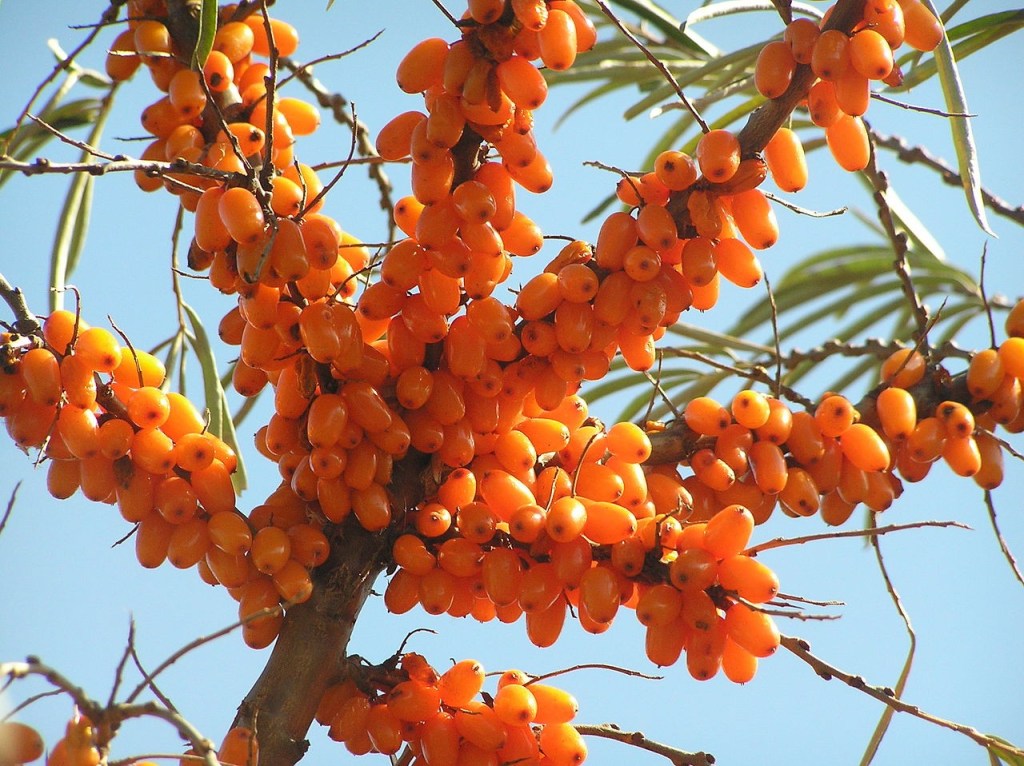
They can also be dried very well to store for future use (I use them dried).
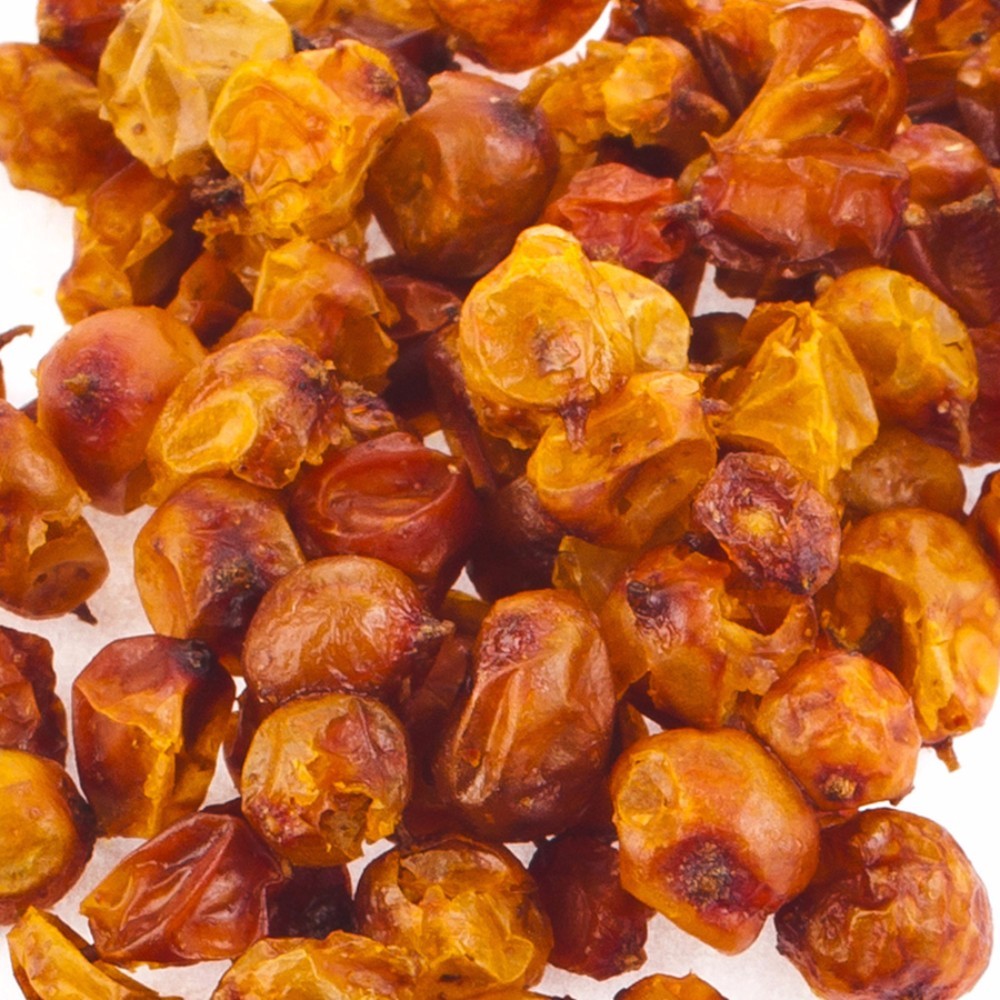
Here’s how to make a sea buckthorn infusion using these steps:

1. Boil 950ml water. It should be very hot, not just warm.
2. Take 12 heaped table spoons of buckthorn berries.
3. Cover with top and leave to brew for 20 minutes.
4. When time is up, add 3-6 table spoons of honey. The quantity of honey you’ll need depends on how sweet the honey is. You may want to put try 3 tbps first, see if the taste is to your liking and, if it’s not sweet enough, add more honey. 
5. Strain and enjoy.

Sources
https://www.webmd.com/vitamins/ai/ingredientmono-765/sea-buckthorn
https://www.wildlifetrusts.org/wildlife-explorer/trees-and-shrubs/sea-buckthorn
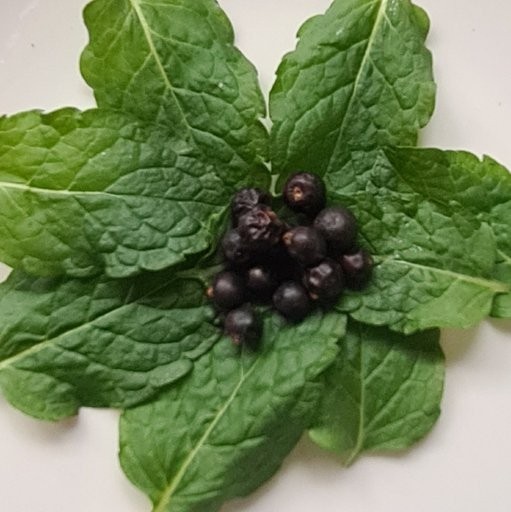
Juniper Berry and Peppermint Tea

My husband struggles with his stomach and from pretty savage heartburn, so I’ve been trying to devise a way to create something that will settle his stomach, but that won’t irritate his throat or trigger his heartburn.

I researched some of the herbs and spices I already had and found that juniper berries (Juniperus communis) can be used for digestion problems, including an upset stomach, intestinal gas (flatulence), heartburn, bloating and loss of appetite. They are also said to have antimicrobial, antibacterial and antifungal properties, in addition to being helpful for coughs, congestion and may have antidiabetic properties.

In addition to this, I have fresh peppermint growing (with a ton of other plants and herbs!) on my kitchen windowsill. Peppermint is also known to relieve digestive symptoms, such as gas, bloating and indigestion. It is also thought to fight bacterial infections.

**Please note, juniper berries can have a diuretic effect (need to pee more often) and should be avoided during pregnancy, lactation and by persons suffering with kidney stones or other kidney disorders. Please also ensure that neither juniper berries, nor peppermint, present any contradictions with any medication you may be currently taking, or that you are allergic to either of them**.

Juniper Berry and Peppermint Tea Ingredients

✧ 1/2 tsp of dried juniper berries (Juniperus communis)
✧ 8-10 good sized peppermint leaves
✧ 2 cups of boiling water
✧ Honey to taste

Method

Place the juniper berries, peppermint leaves and water in a pan of boiling water and simmer for around 10 minutes. Carefully strain through a fine sieve, pour into a cup and sweeten with honey to taste.