**Please note, I am not descended from First Nation people, and I am not trying to speak for them, but I have a deep respect for them and their culture and think they have been so badly treated and persecuted, so if there is even one tiny thing I can do to highlight aspects of their tradition that are not for anyone to undertake or replicate, then I will do what I can to raise awareness.**
I think by now most people understand that ‘Smudging’ is a closed practice and use of certain cleansing herbs and woods, such as White Sage and Palo Santo, shouldn’t really be used by people not descended from First Nation people, plus there’s the whole sustainability and ecological damage issues surrounding them, but I wanted to talk about another practice which is not exactly closed, but something that not many people think about or realise.
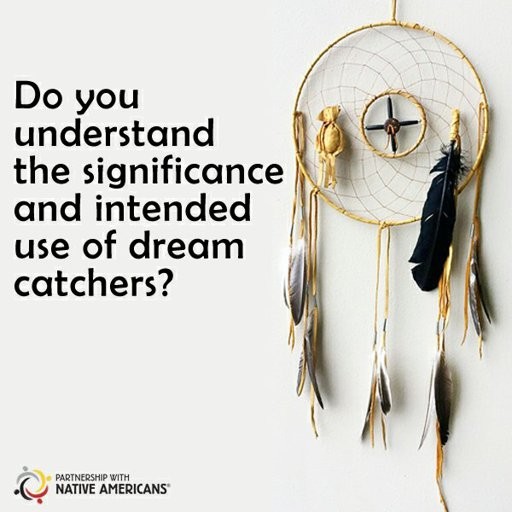
According to Wikipedia (Link), in Native American and First Nation cultures, a dreamcatcher or dream catcher (Ojibwe: asabikeshiin, the inanimate form of the word for “spider”), is a handmade willow hoop, on which is woven a net or web. The dreamcatcher may also include sacred items, such as certain feathers or beads. Traditionally they are often hung over a cradle as protection.
It originates in Ojibwe culture as the “spider web charm” (Ojibwe: asubakacin “net-like, White Earth Band; bwaajige ngwaagan “dream snare”, Curve Lake Band), a hoop with woven string or sinew meant to replicate a spider’s web, used as a protective charm for infants.
From what I have read, if the person who made the dream catcher is Native or First Nation, then it is OK to either be gifted one by them, or to purchase one. Also, if you attended an event, where you learnt something about a specific tribal nation and/or meet a Native person and chose to support their art by purchasing one from them, then this is great.
However, if you bought one from your favorite shopping center, from eBay/Wish or don’t have a clue about where it came from or that it is obviously mass produced in China or someplace else, then that is NOT OK.
From the research I’ve done, it seems like the Ojibwe people, to whom dream catchers are very important, think it’s okay to use them in your home. However, this is on the proviso that you understand and appreciate the meaning behind them, you are respectful of the purpose and beliefs that come with them and that you buy one that was made by Natives.
Buying them mass produced from the internet is hurting the indigenous First Nations and is one of the reasons why people talk about Cultural Appropriation.
You should be researching what they mean and how they are used by certain tribes and, like I’ve said above, try and ethically source one that has been made by an Indigenous Person. Yes, it might cost more or take longer to arrive, but you’d be supporting the people the tradition comes from, rather than buying a cheap knockoff that means absolutely nothing and detracts from First Nation people’s tradition and history.
 Melusina The Green Witch