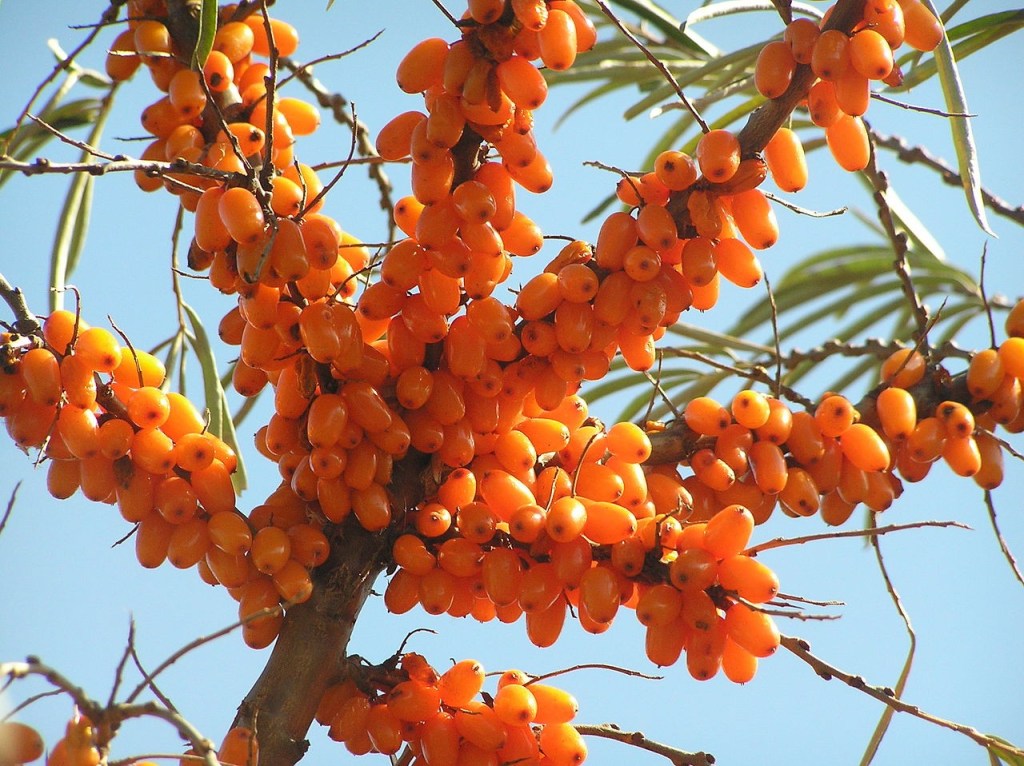
Sea buckthorn (Hippophae rhamnoides) is a plant found throughout Europe and Asia and displays as a spiny, thicket-forming shrub, often found in sand dunes along the coast of England. It is most obvious in autumn, when it is full of bright orange berries.
Sea buckthorn berries are a source of omega-7 fatty acids and an array of vitamins, including beta-carotene, vitamin C and E. Omega-7 helps body cells retain moisture in the mucous membranes. They are also a great support to the immune system and overall wellbeing.
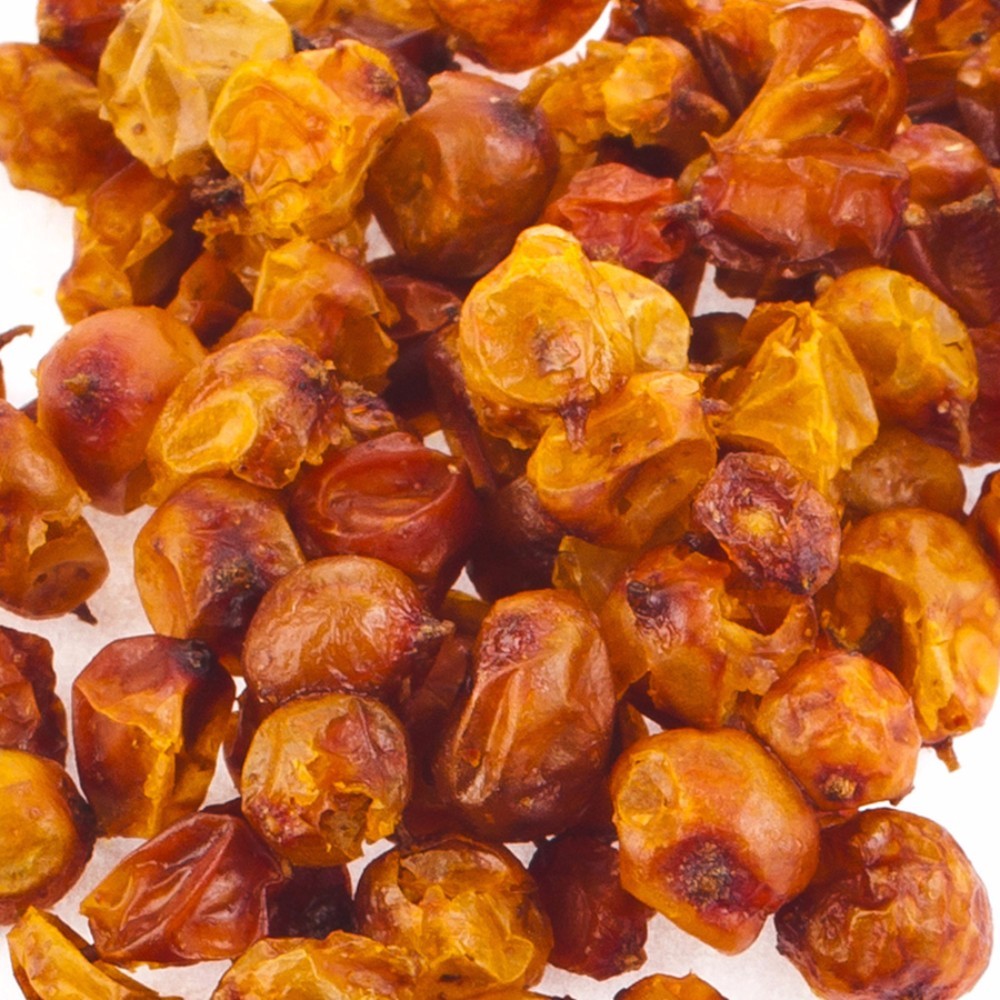
They can also be dried very well to store for future use (I use them dried).
Here’s how to make a sea buckthorn infusion using these steps:
1. Boil 950ml water. It should be very hot, not just warm. 2. Take 12 heaped table spoons of buckthorn berries. 3. Cover with top and leave to brew for 20 minutes. 4. When time is up, add 3-6 table spoons of honey. The quantity of honey you’ll need depends on how sweet the honey is. You may want to put try 3 tbps first, see if the taste is to your liking and, if it’s not sweet enough, add more honey. 5. Strain and enjoy.
I am suffering with a nasty chest infection, my second in 12 months, and I’m feeling really ill with it. I’ve been to the doctors and have been prescribed antibiotics, steroids and an inhaler, but I want to boost my immune system as much as I can at home too.
Therefore I’ve developed this tea today and am brewing up a large batch (enough for about 4 cups worth) to last me throughout the rest of the day and evening.
**Disclaimer: Any medicinal benefits given here are a product of my own research and as such should not be taken over the advice of trained medical professionals. If you are ill, please go and see a doctor. Always make sure that anything you consume is 100% safe. If you are pregnant, consult your doctor or midwife before consuming something you haven’t tried before.**
INGREDIENTS
Fresh peppermint (a few sprigs roughly chopped) – The antioxidants found in mint can fight inflammation in your body and also include compounds, such as terpinene, quercetin, and tocopherols, which have immune-boosting and neuroprotective (the ability for a therapy to prevent neuronal cell death by intervening in and inhibiting the pathogenetic cascade that results in cell dysfunction and eventual death) effects.
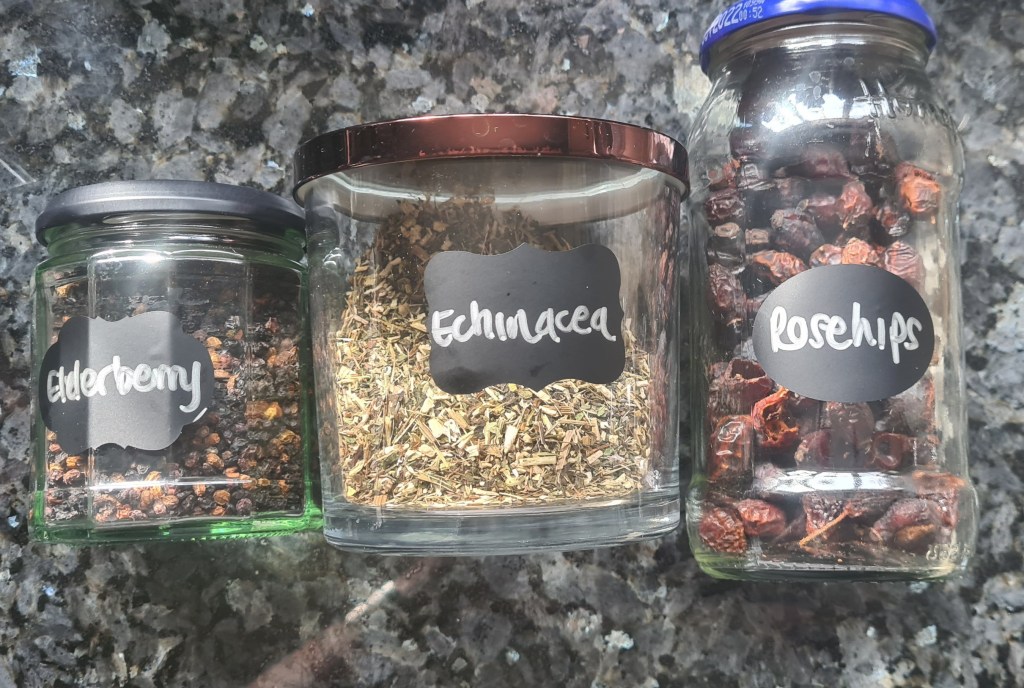
Dried elderberries (heaped tablespoon) – The berries (and flowers) of elderberry are packed with antioxidants and vitamins that may boost your immune system. They could also help tame inflammation, lessen stress and help protect your heart, too. Some experts also recommend elderberry to help prevent and ease cold and flu symptoms.
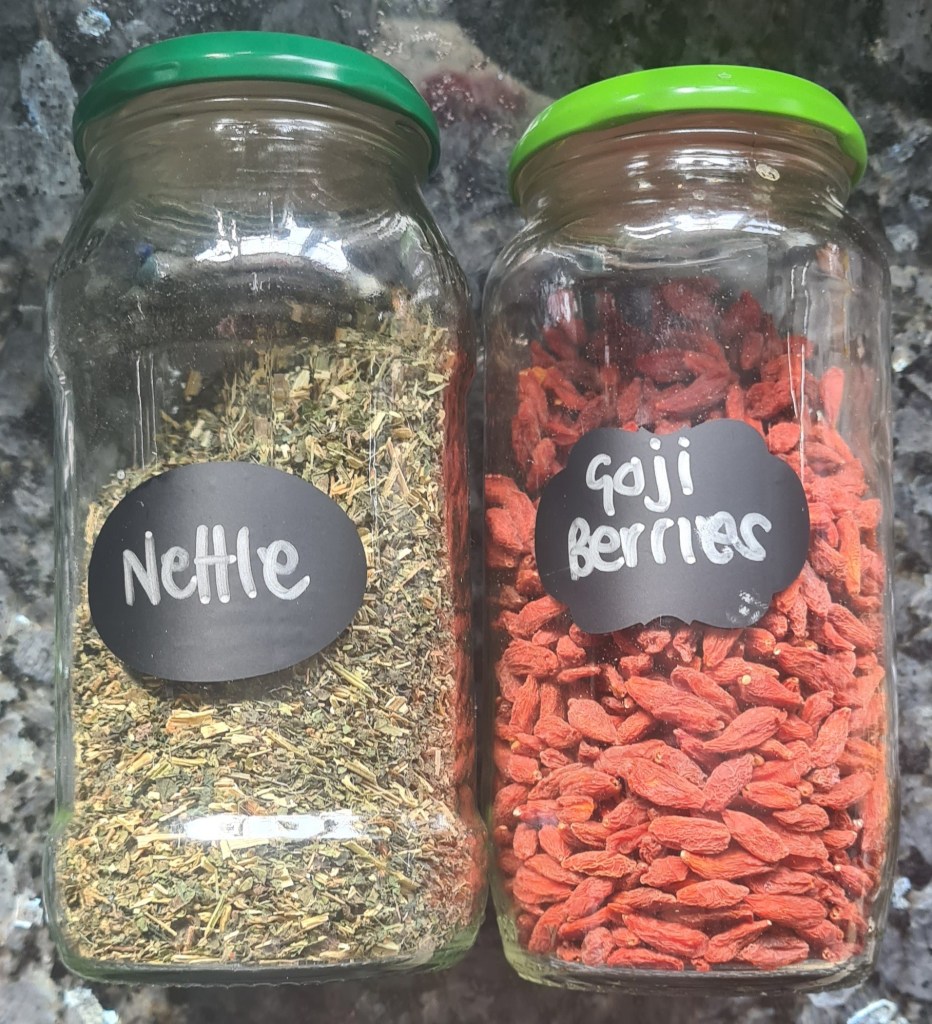
Dried goji berries (heaped tablespoon) – These cheerful red berries contain a number of healthy antioxidants which are known for their immune-boosting qualities and their ability to fight harmful free radicals and inflammation. They also contain large amounts of vitamins A and C, similar to other berries.
Dried echinacea (tablespoon) – Studies suggest that echinacea contains active substances that boost immune function, relieve pain, reduce inflammation and have antiviral and antioxidant effects.
Dried nettle (tablespoon) – The nettle plant contains several immune-boosting compounds, including flavonoids, carotenoids and vitamins A and C. These antioxidants help protect immune cells against damage that can weaken immune function. Research also shows nettle extract strengthens the immune response, encouraging immune cell activity.
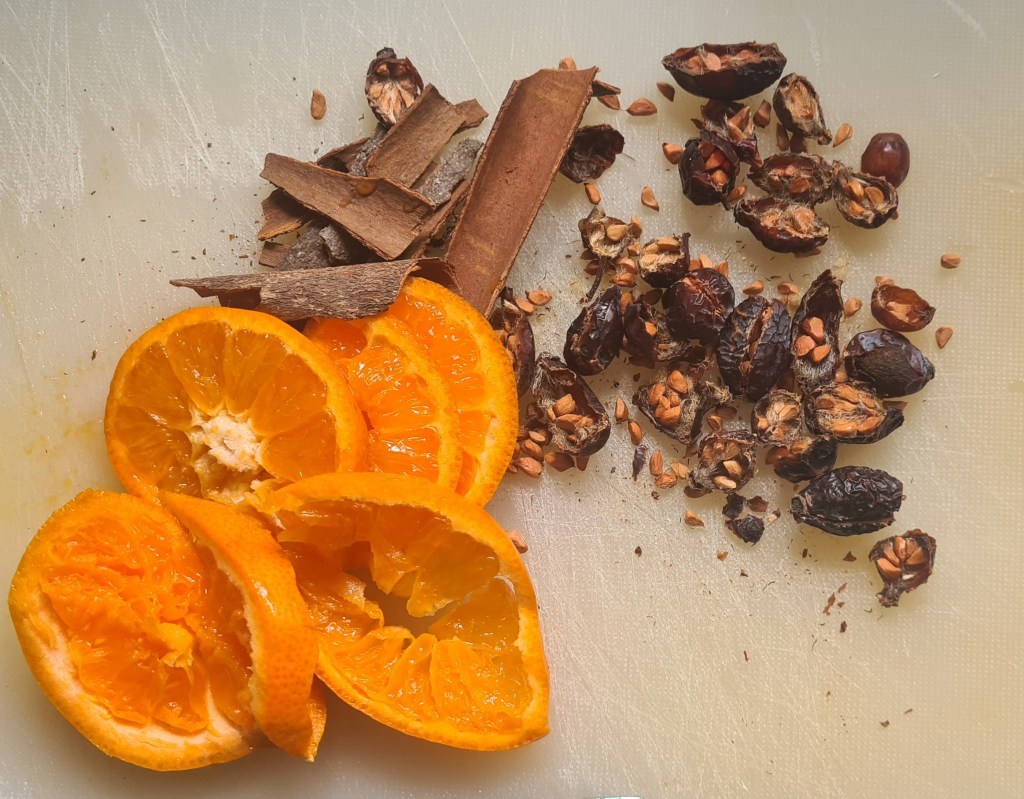
Dried rosehips (about 15 halved) – Due to its high levels of antioxidants, rosehip tea may also help to boost your immune system. Please be careful with the seeds, they’re hard as diamonds!!
Cinnamon bark (a couple of pieces broken up) – Studies show that this spice and its antioxidants have potent anti-inflammatory properties and helps your body fight infections and repair tissue damage.
Sliced whole tangerine – The Vitamin C found in tangerines (and other citrus fruits) is a powerful antioxidant. Additionally, tangerines provide potassium and B complex vitamins, namely B1, B6, and B9, or thiamine, pyridoxine, and folate, respectively.
METHOD
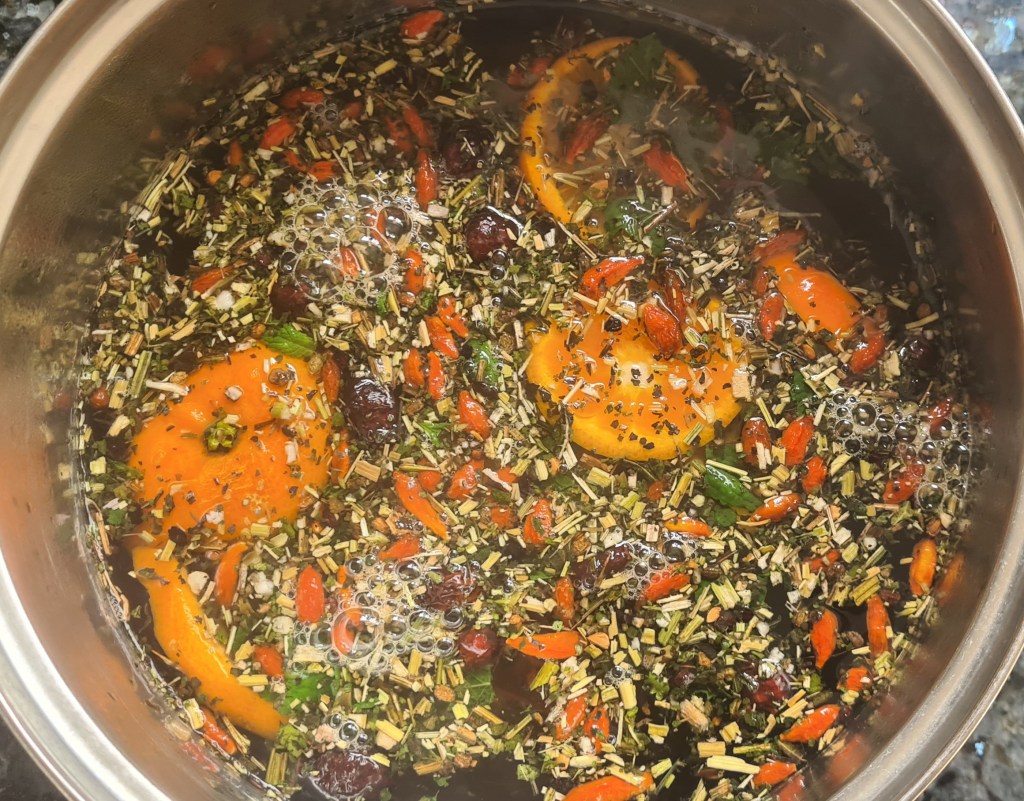
Put all the ingredients into a pan, cover with about 5 cups of boiling water and gently simmer for ten minutes. Strain through a sieve and/or a clean towel/muslin and decant to a cup. Sweeten to taste with honey, brown sugar, agave syrup or your sweetener of choice. Drink and enjoy.
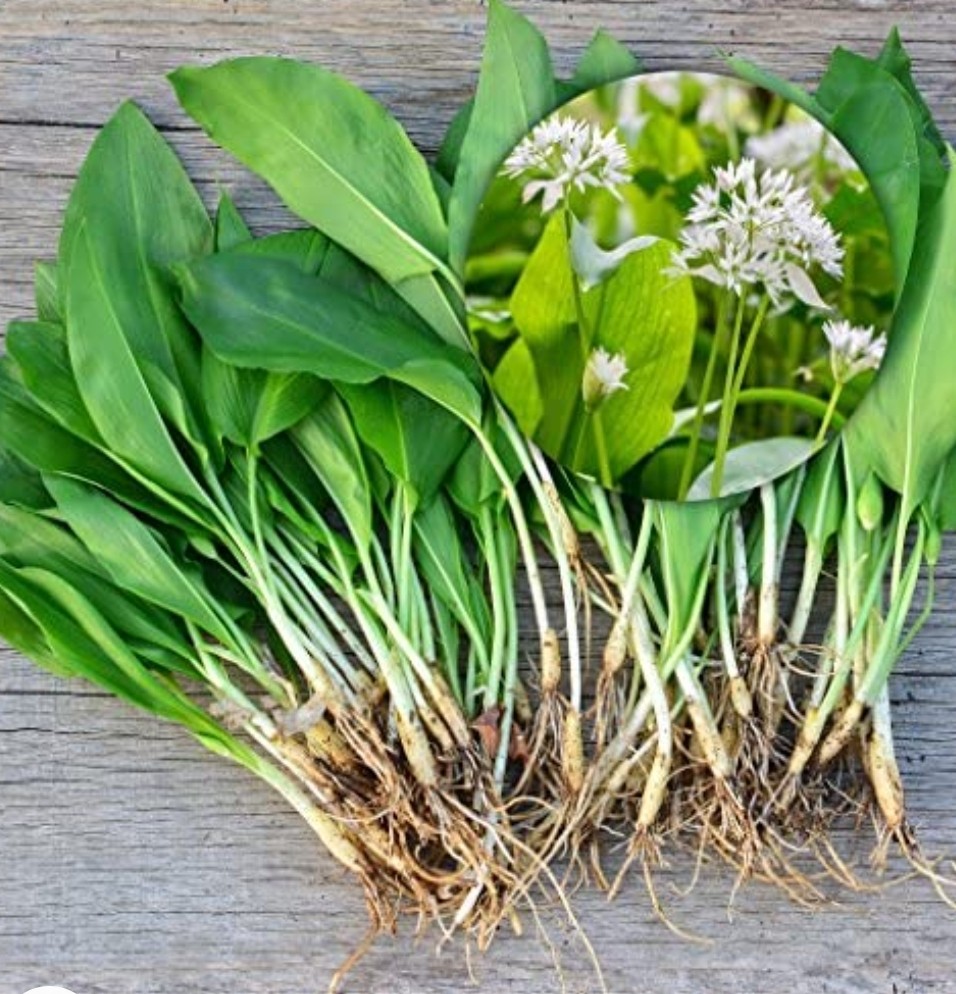
It’s that time of year when you’ll start seeing (and smelling!) wild garlic popping up in shady and damp woodlands, fields and hedgerows throughout Britain, Ireland and Europe.
If you don’t know what it looks like, it has tiny white flowers and bright green leaves, but it can be quite scarce.
It is commonplace in ancient woods, where it creates a carpet of star shaped white blossoms, instead of the blue flooring of bluebells.
MAGICKAL PROPERTIES
In Witchcraft, wild garlic can be used just like regular garlic and is primarily used for protection, banishing and warding.
It can offer protection from break-ins when kept around the house or utilised in wards. It can also ward against nightmares, if used in sleep charms, and is useful for banishing negativity and unwelcome spirits. By this token, you could probably also use wild garlic to get rid of unwanted mindsets, habits, emotions, etc. Finally, it can protect the user from gossip and psychic attacks, and it can be used in wards of almost any purpose.
Garlic has strong associations with Hecate and the ancient Greeks would place garlic at cross roads as an offering to her.
MEDICINAL PROPERTIES
Wild garlic is useful in treating bronchitis, allergies and asthma, by helping to open the lungs and ease breathing. It is also a healthy antioxidant and has antimicrobial properties. Additionally, it can aid in preventing clots by thinning blood and therefore should be used in moderation, due to these properties.
It can also help to lower cholesterol and blood sugar levels and it’s juice can be applied directly, or in a poultice, to burns.
Please take care, when picking wild garlic, to only remove the leaves. Don’t pull too hard, or you can pull the bulb straight out too, which has the potential to spoil next years crop and contribute to it’s scarcity. As with all foraging, take only what you need and treat the site with care, so you can enjoy it again next year!
Also, don’t pick anything from the side of the road, as there is too much pollution there from cars, or where people regularly walk their dogs, as no one wants pee or poop in their food!!
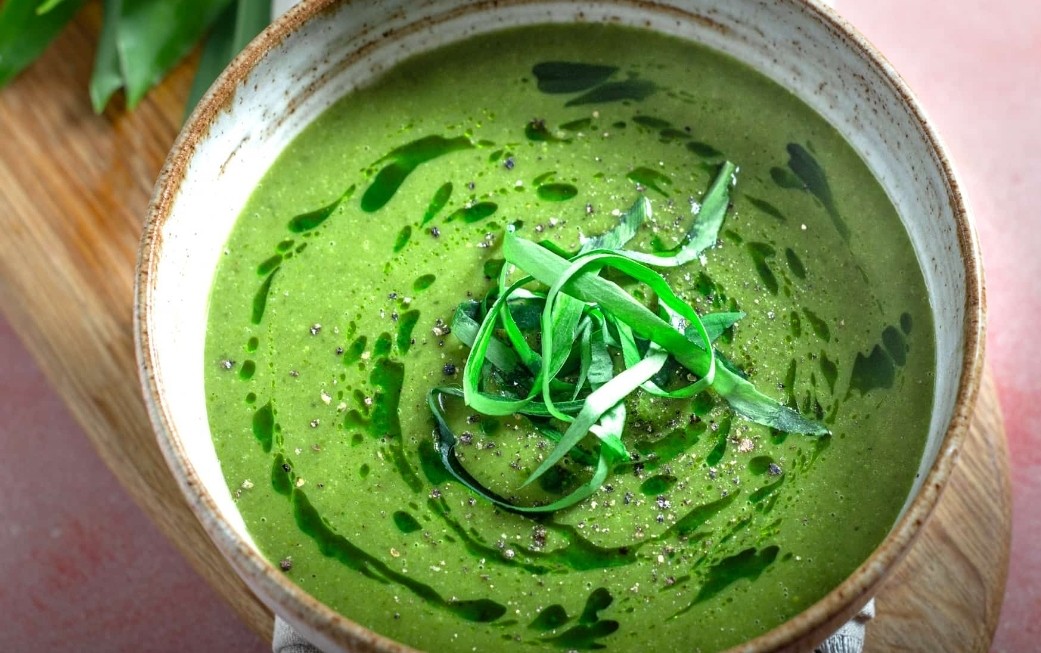
WILD GARLIC SOUP RECIPE
You’ll need the following ingredients:
• 40 g butter (or veggie/vegan alternative);
• 1 medium onion (chopped);
• 3 medium potatoes (peeled and diced);
• 1.5 ltr vegetable stock;
• 300 g wild garlic leaves (washed and patted dry);
• 100 ml double cream (or veggie/vegan alternative); and
• Salt and pepper.
Method:
Melt the butter over a medium heat, add the onions and saute until soft.
Add the vegetable stock and potatoes to the pan and simmer gently until the potatoes are fully cooked.
Add the wild garlic to the pan and allow to wilt for a couple of minutes.
Use a jug or hand blender (please be careful, as it’ll be boiling hot!) to blend the soup until you have a smooth and silky consistency.
Stir through the cream, season to taste and serve.
Gorse bushes, or Furze, are often seen around Ostara and is another of Mother Nature’s bright and beautiful announcements that Spring is here.
It is a perennial evergreen shrub belonging to the pea family, which forms multi-branched, stunted shrubs, usually no taller than six feet high, but it is still considered to be a tree.
The flowers are deep yellow in colour and have a beautifully aromatic coconut scent and, although the main flowering period is from March to August, flowers can be found on the furze throughout the year.
It’s wickedly sharp thorns and its dense habit make it an excellent hedging plant, which can also be used as a barrier to protect young tree seedlings in coppices from grazing.
Due to it’s thorny nature, it is often viewed as having protective powers. In Wales, gorse bushes are even said to guard against Witches and can protect the home against The Fae, who cannot pass through the hedge.
The bark and flowers of the gorse can be used to produce a yellow dye. In Ireland, the flowers were also used to flavour and add colour to whiskey and they’ve been known to be used to make beer in Denmark. The flowers can also be used to make wine and tea.
Medicinal properties
There was a Bach Flower Remedy (Edward Bach was an English homeopath in the 1930s) called “Greenman Essence of Gorse”, which was said to help to ease frustration, restlessness and anxiety, and also helped to promote emotional security and feelings of joy.
Gorse flowers are high in proteins and can be eaten raw in salads or made into tea, cordial or syrup. They can also add extra flavour and colour to beer, wine or spirits and even ice cream!
The buds can also be pickled in vinegar and eaten like capers.
**CAUTION: Do not ingest to excess, as the plant contains slightly toxic alkaloids, which can have a cumulative impact.**
There are surprisingly few medicinal uses for gorse, although its flowers have historically been used in the treatment of jaundice, scarlet fever, diarrhoea and kidney stones.
Magickal properties
Gorse is known as the ‘herb of love’ and is associated with love, romance and weddings. It is also known to protect against evil, negativity and dark magick.
It can help to restore faith, hope and optimism and enable you to gather your strength. It also attracts gold, so it is very useful in money, wealth and abundance spells.
Gorse Spell
Carve the word “Gorse” into a gold or yellow candle, then face east and light the candle. Then meditate on the light, whilst asking for for protection, money, love or whatever it has to offer that you desire.
I made this a couple of months ago and it went down very well! It’s actually a Jamie Oliver Recipe, but if you look into the properties and benefits of the ingredients used, and cook with specific intent, you can make a much more magickal meal!
INGREDIENTS
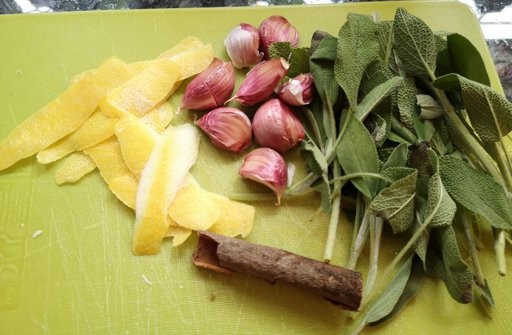
• Whole chicken • Sea salt and freshly ground black pepper, to taste • ¼ cup unsalted butter • ¼ cup extra-virgin olive oil • 1 small cinnamon stick • 10 cloves garlic, skins left on • 2 ½ cups whole milk • 1 handful of fresh sage, leaves picked — around 15 to 20 leaves • 2 lemons
Health Benefits and Magickal Properties
• Sea salt – Salt is great for using both as a magickal tool and ingredient in cooking. Used as a tool, it is often used by witches to cast their circles, as it creates a powerful barrier that can shield and protect you whilst you work. As an ingredient, salt is used for banishing, binding, cleansing, grounding, healing, purification and protection, in addition to blessings and consecrations.
• Black pepper – Black pepper can be used for banishing, binding, home cleansing and protection, repelling, separation and warding.
• Cinnamon – Cinnamon can be used for attention, attraction, business acumen and success, creativity, financial gain, intellectual stimulation and concentration, libido, lust, knowledge, money, power, prosperity, sexual love, success and winning.
• Garlic – Garlic can be used for accident prevention, reversing bad luck, banishing, good luck, illness, jealousy, male fertility, negativity, physical and psychic protection, sleep and virility.
• Sage – Sage is good for balance, honesty, grounding, longevity, mental clarity, truthfulness and wisdom.
• Lemon – Lemons are perfect for purification, happiness, friendship, longevity, purification, refreshment, unity, uplifting, rejuvenation, awareness, love and fidelity.
METHOD
Heat your oven to 190°C (375°F) degrees. Season the chicken with the sea salt and pepper, thinking of the specific intentions that you want to imbue into this meal. I made it for my husband and stepson (with enough leftovers for our two rescue dogs), so my intentions were binding us as a family, grounding us all and protecting us from the current troubles in the world.
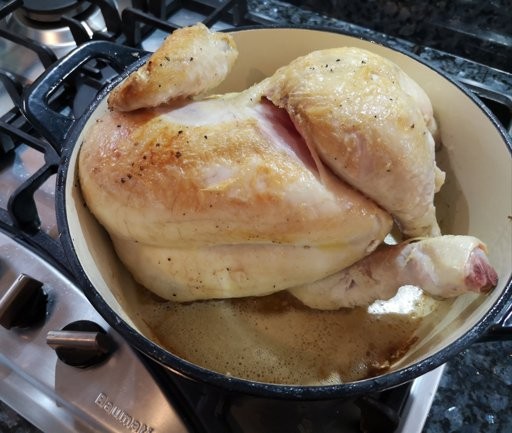
Then place a hob/oven proof pot (I used a deep, cast iron, casserole dish, with double handles), that can fit the chicken snugly within it, over a medium-high heat on the hob/stove. Add to this pot the butter and olive oil. When the butter has melted and is starting to foam, add the chicken to the pot and fry it, turning every few minutes, until it has browned all over. I made sure to turn the chicken deosil (clockwise), to promote my positive intentions.
Turn the heat down to low, remove the chicken from the pot and place it onto a plate, then drain off all but a few tablespoons of the fat from the pot.
Then add the cinnamon stick and garlic to the pot and allow them to sizzle in the oil for a minute or two. Return the chicken to the pot, along with the milk and sage leaves. Use a vegetable peeler, or sharp knife (please be careful!) to cut wide strips of skin off both lemons and add them to the pot as well.
Put the pot into the oven and bake for approximately 1.5 hours, basting the chicken occasionally, until the chicken is cooked through and tender and the sauce has reduced into a thick, curdled sauce. (If the sauce is reducing too quickly, cover the pot with a lid)
The chicken will be so tender you can just tear portions off and divide between everyone’s plates, making sure to spoon a generous amount of sauce over each serving. We had ours with mini roast potatoes and cauliflower & broccoli cheese, but it goes well with sautéed greens, pasta, rice, potatoes or bread. The leftovers are delicious on sandwiches too!!
I don’t have an photos of the finished product, as it was demolished!!





 Melusina The Green Witch